Why Ethiopia Won the Battle of Adwa | Anatomy of an Imperial Upset (1896)
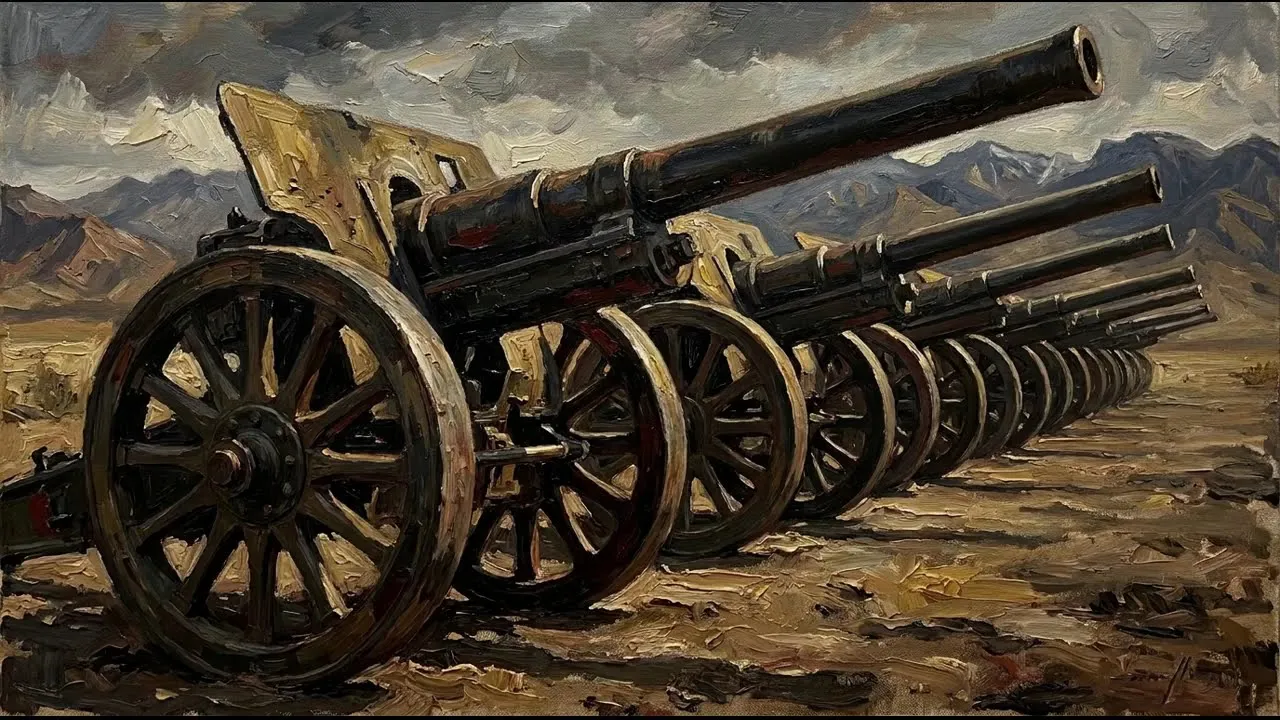
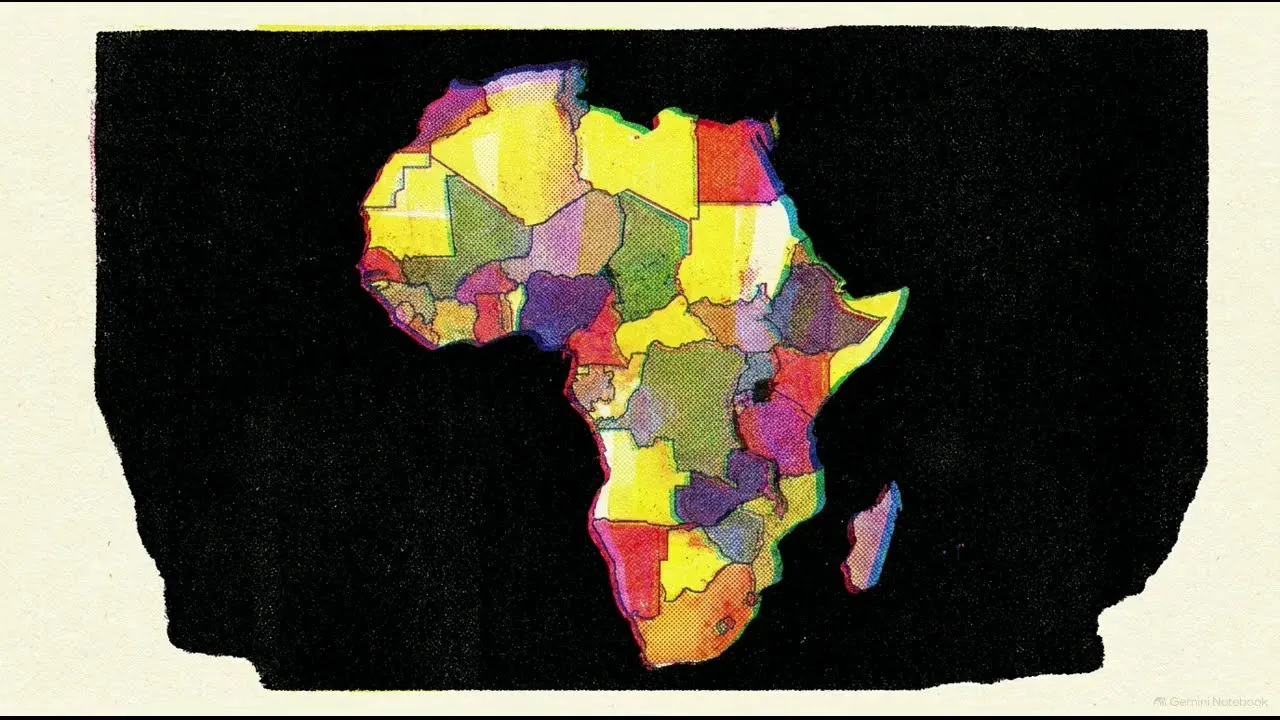
In 1896 Ethiopia destroyed an Italian expeditionary army at Adwa and stayed independent while the rest of Africa was partitioned. This 6-minute breakdown shows how. The crisis started with the Treaty of Wuchale: the Italian text made Ethiopia a protectorate; the Amharic text did not. Empress Taytu refused Rome’s reading. Menelik denounced the treaty and prepared for war. Italy expected a weak, disorganized enemy. Instead it faced a structured state that had already expanded south, extracted tribute, and bought modern rifles and artillery from France, Russia, and others. About 17,000 Italian troops met 80,000+ Ethiopians with better supply lines. Political pressure from Rome forced a night attack on bad maps. Two different places were both labeled Kidane Meret. Italian brigades split. Ethiopian commanders destroyed them one by one. By afternoon the force was routed, the guns captured, and Italy forced to recognize Ethiopian independence. Europe explained the loss with the “Hamitic hypothesis” rather than admit an African army had beaten a European one. Mussolini later tried to erase the defeat with mustard gas. Adwa still stands as proof that preparation and command could stop colonial conquest.
The Archive Made One Queen an Age and the Other a Monster
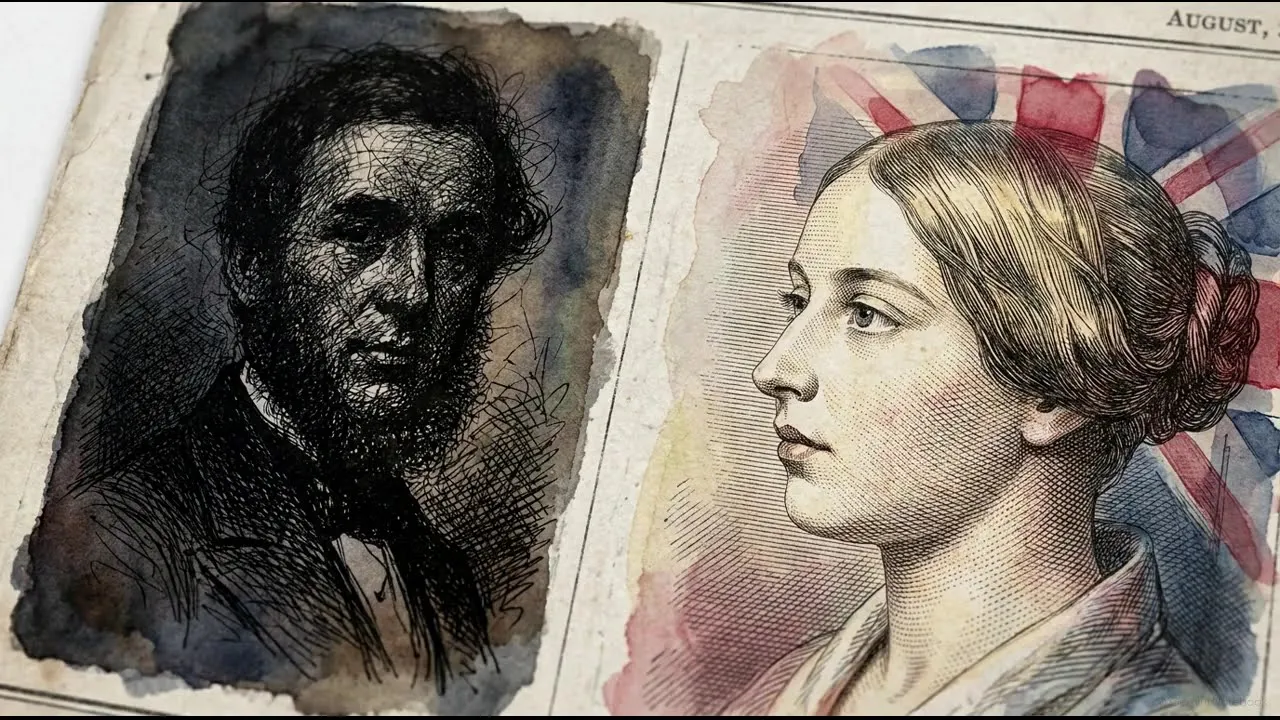
Victoria is filed as the grandmother of Europe. Ranavalona I of Madagascar, ruling in the same years, is filed as the mad queen. Both enlarged a state by force. Both left a ledger of the dead. The difference is the sentence each name is allowed to carry. This is about that filing system: missionary guesses printed until they hardened into fact, a history of Madagascar written in London by a man who never saw the island, and an archive that worked as a warrant. France executed it in 1896. The dead stay. The verdicts do not have to.
Whitewashing Victory: The Real Story Behind the Liberation of Paris
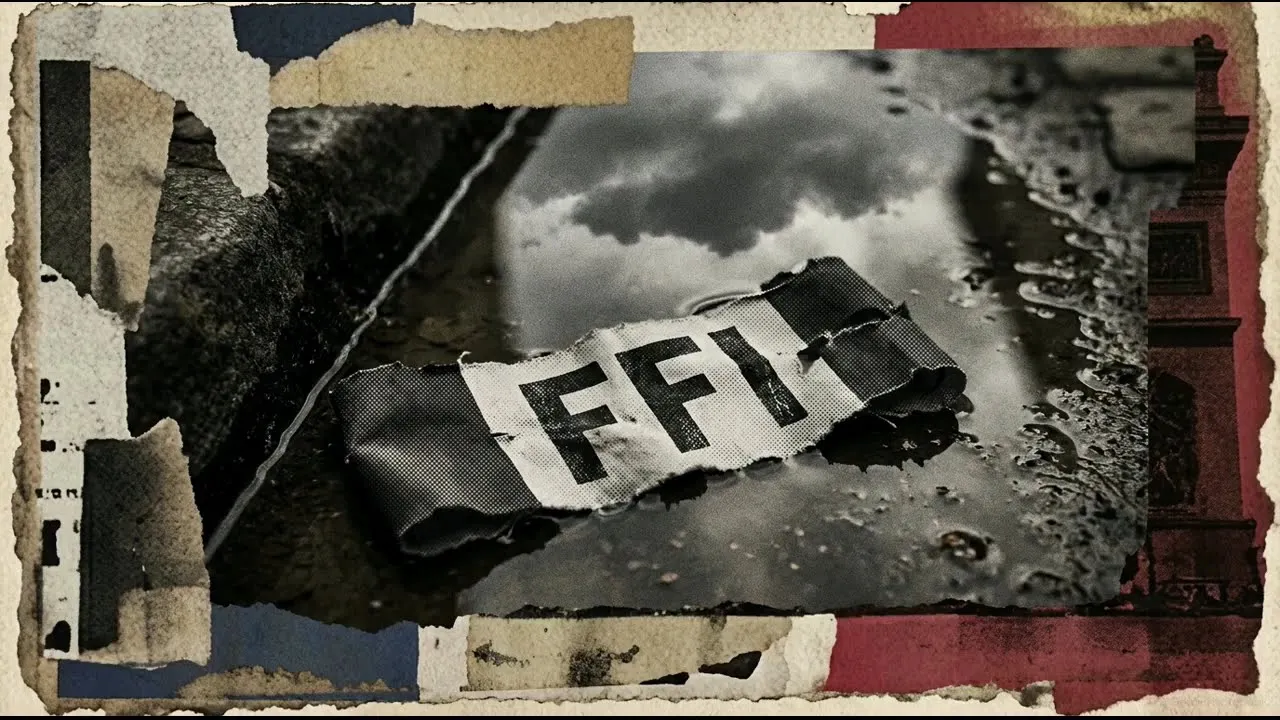
On August 26, 1944, Charles de Gaulle marched down the Champs-Elysees to celebrate the Liberation of Paris. Newsreel cameras captured an all-white French army reclaiming the capital. What the world did not see was the coordinated Allied effort known as "blanchiment" (whitening), a policy designed to strip African colonial soldiers, who made up two-thirds of the Free French Forces, from the historic march. Despite heavy security, one man refused to be removed. Walking directly alongside General de Gaulle with his arm in a sling was 22-year-old Gabonese resistance fighter Georges Dukson, known across Paris as the "Black Lion of the 17th Arrondissement." This video examines how military leadership attempted to erase African contributions from the liberation of France, the bold protest of Georges Dukson, and the broader, tragic post-war betrayal of African veterans at the Thiaroye massacre in Senegal.
The Sentence We Don’t Teach: How Philosophy Syllabi Hide Racism and Transfer the Burden
In most philosophy classrooms, authority is built first. You get the name and the habit of saying “Kant says” until the name itself becomes the evidence. Years later a student finds the sentence the syllabus quietly removed: the one where that same author wrote that some human beings are less human than others. One student receives the philosophy free of charge. The other is forced to decide whether to raise it, knowing they will become the person who “made the class about race.” The silence does not erase the insult. It simply offloads the burden of archiving it onto the marginalized student. These philosophers had the nerve to write the sentences down. The least our curricula can do is have the courage to read them out loud.
The Anatomy of an Erasure: How the “Richest Man in History” Myth Shrunk an Empire into a Punchline
Mansa Musa is sold as the richest human who ever lived: $400 billion, a gold crash in Cairo, and the punchline that he went broke and had to borrow money to get home. That number is not history. It is a category error. Modern lists collapse an entire empire, its treasury, gold monopoly, army, constitution, and hundreds of cities, into one man’s personal wallet. We never do this to Augustus. We never do this to Leopold II. Strip the cartoon fortune away and what remains is a sophisticated West African superpower that used the 1324 pilgrimage as geopolitical strategy, not reckless spending. The famous “he ran out of money” story comes from the Cairo merchants who lent to him and profited. Every time the $400 billion figure is repeated, the people, institutions, and achievements of Mali are reduced to background props for a joke. The gold was merely the residue.
The Legal Fortress: Why “Restitution” Still Leaves Europe in Charge
In 2022 King Philippe handed the Kakuungu mask to Congo. The object went to Kinshasa. Legal ownership stayed in Brussels as an “indefinite loan.” Belgian law forbids permanent transfer. “Restitution” turns a claim for stolen property into a request for a favor. African states must petition under the same legal rules that once justified the theft. Europe’s collections rest on three pillars: inalienable, imprescriptible, unseizable. Once inside the fortress, the burden shifts. You no longer challenge the original taking. You attack European property law itself. The Sarr-Savoy report produced 26 objects for Benin through a one-time loophole. Tens of thousands stayed. The fortress stood. The alternative: refuse the petition. Assert original inalienability under African law at the moment of taking. Enshrine it in sovereign heritage codes. A century of European possession does not erase the claim. Reclamation starts when a nation declares that its gods, kings, and dead were never anyone else’s to hold.
Cesária Évora: Barefoot Diva, Colonial Grief & Global Fame
She sits barefoot under crystal chandeliers; face on Cape Verde’s banknote and airport. Decades earlier she sang for drinks in Mindelo taverns, dismissed as drunk and prostitute. European promoters branded those bare feet “authentic.” Audiences heard “Sodade” as a soft love song. The Creole lyrics named forced labor, famine, and the ships to São Tomé’s cocoa plantations. UNESCO later polished Morna into pure oceanic melancholy. The trauma vanished. The logo remained. Without the industry she might have died unrecorded. She never moved to Paris, never sang in English, smoked and drank on stage, and made the machine bend to her. Both truths stand: the industry extracted, and she extracted right back. A nation can honor its greatest voice even when that memory pays the bills.
Kimpa Vita and the Machine That Required Her Death
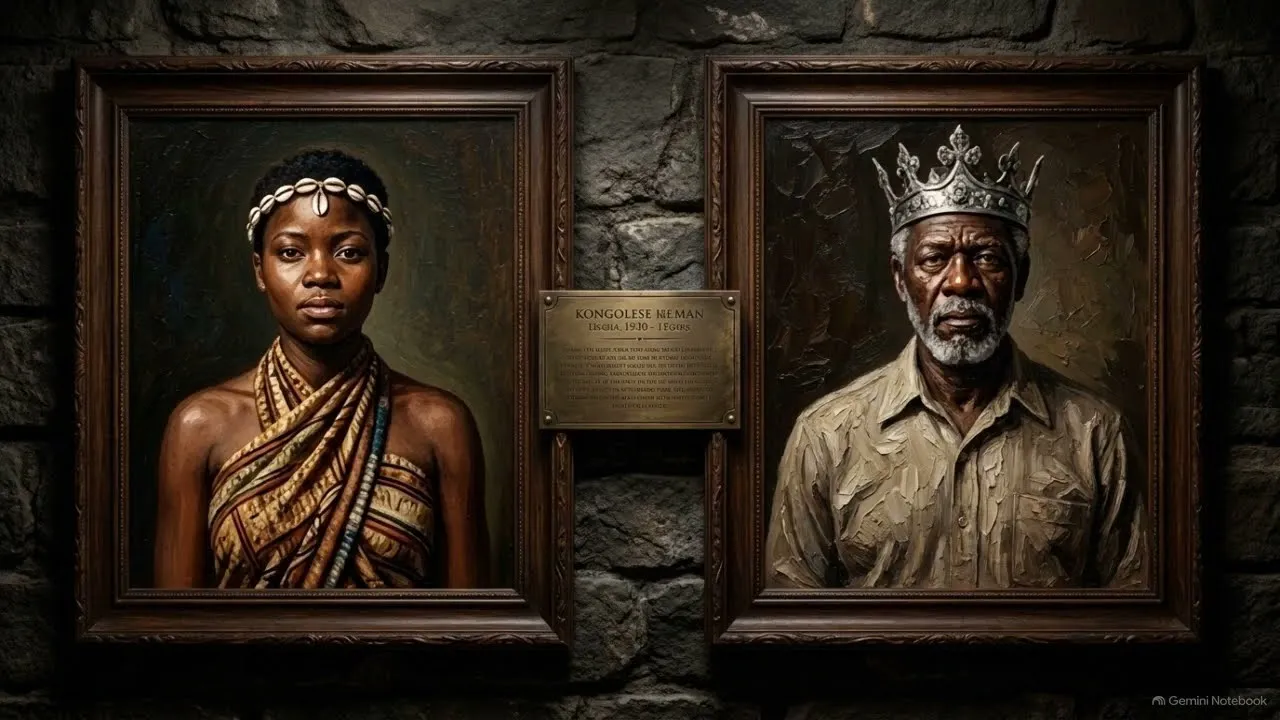
On 2 July 1706, Dona Beatriz Kimpa Vita was burned at the stake in Evululu. The official charge was heresy: she taught that Jesus was born in the Kingdom of Kongo and that Mary was African. The deeper reason was structural. Her movement emptied the war camps that fed the slave trade, undermining the closed circuit of royal legitimacy, Capuchin authority, firearms, and human captives that held the fractured kingdom together. When the ledgers failed, the fire followed. Three years later the survivors were not burned for their souls. They were sold for their price.
DE-0 uses Google Analytics to count readers. It stores a cookie on your device. Nothing is shared with advertisers, and the site works identically either way.