Three claims from one interview, and the documents that answer them.
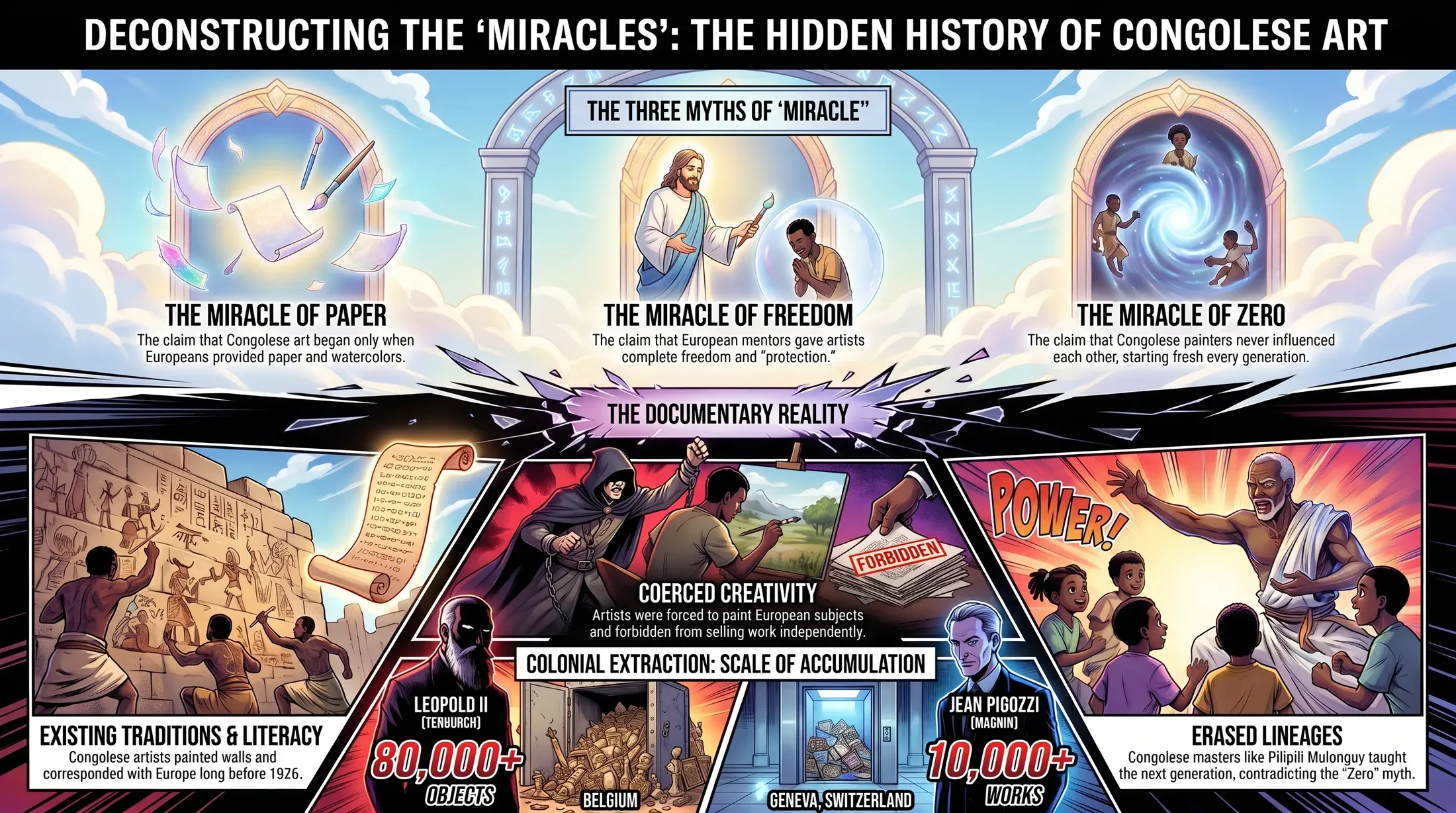
The watercolours that open the canon in 1926 came from the office of a Belgian clerk who also took in the head tax. On the painters’ own tapes, the freedom of the Élisabethville studio meant painting what its French director painted and selling to nobody. The curator who calls all of this a miracle bought close to ten thousand of the results.
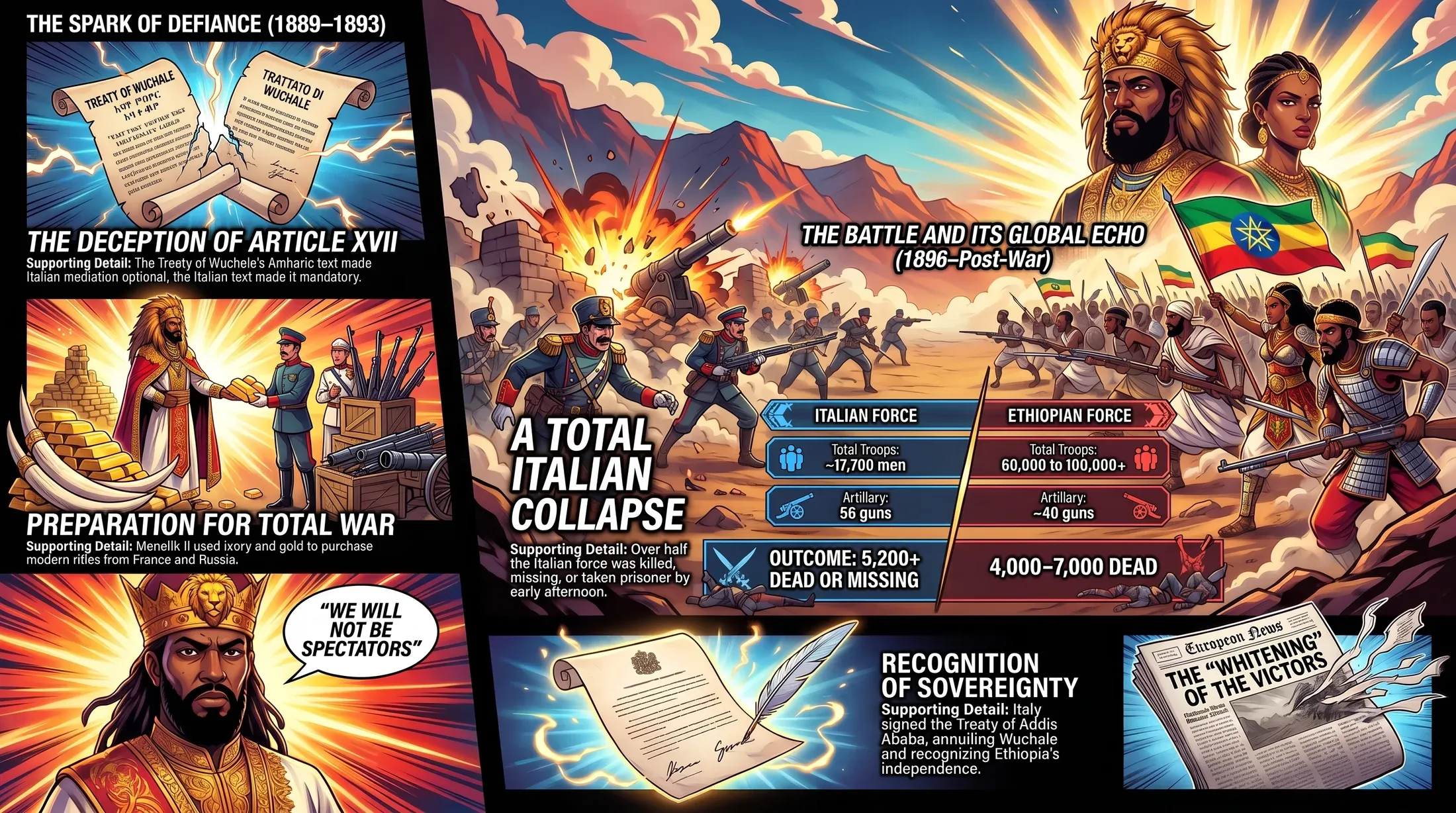
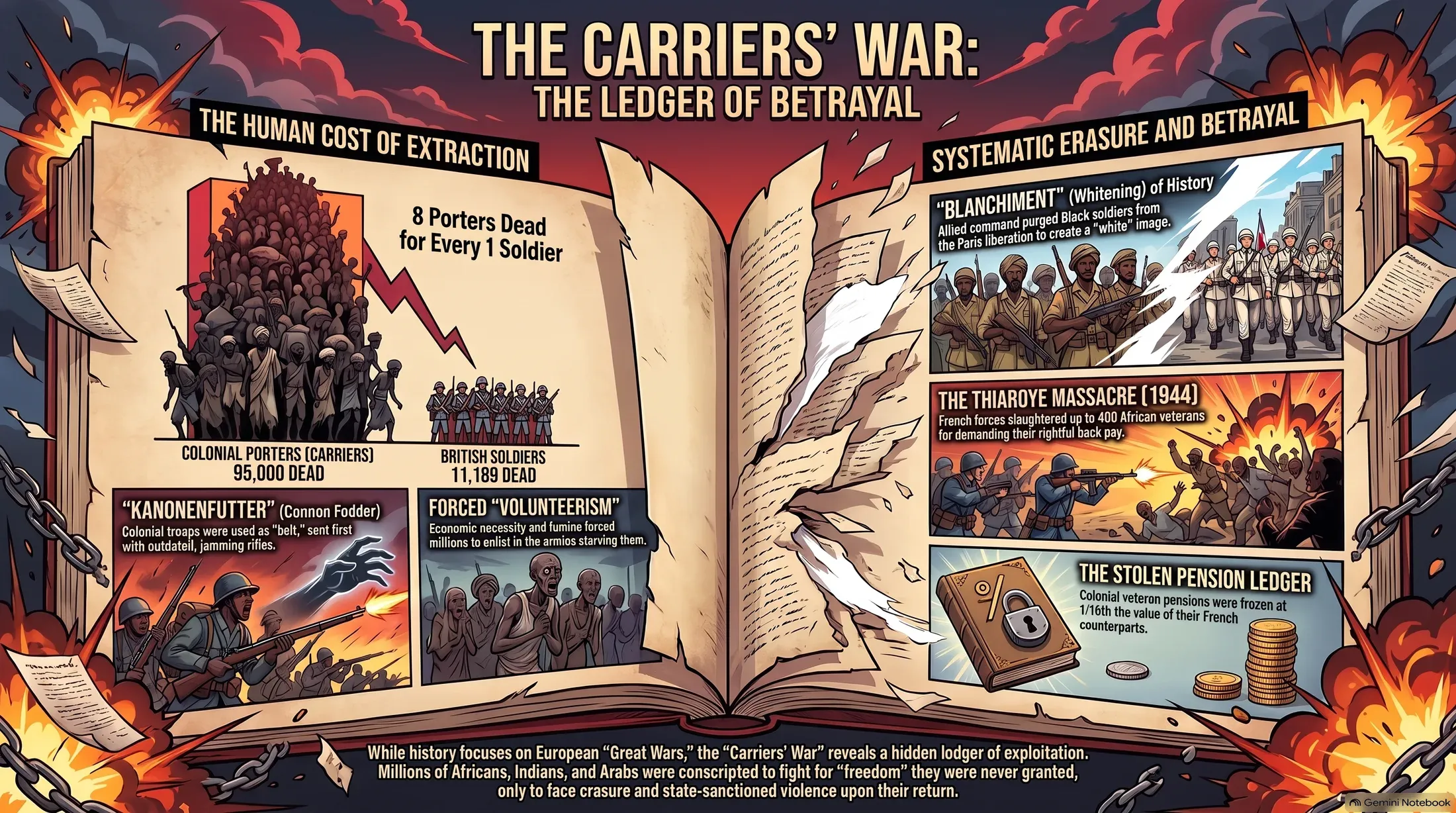
Italy lost an army at Adwa on 1 March 1896. The New York Times found the winners Caucasian by April; Britain, France and Italy divided Ethiopia into spheres of influence by 1906; Italy came back with mustard gas in 1935.
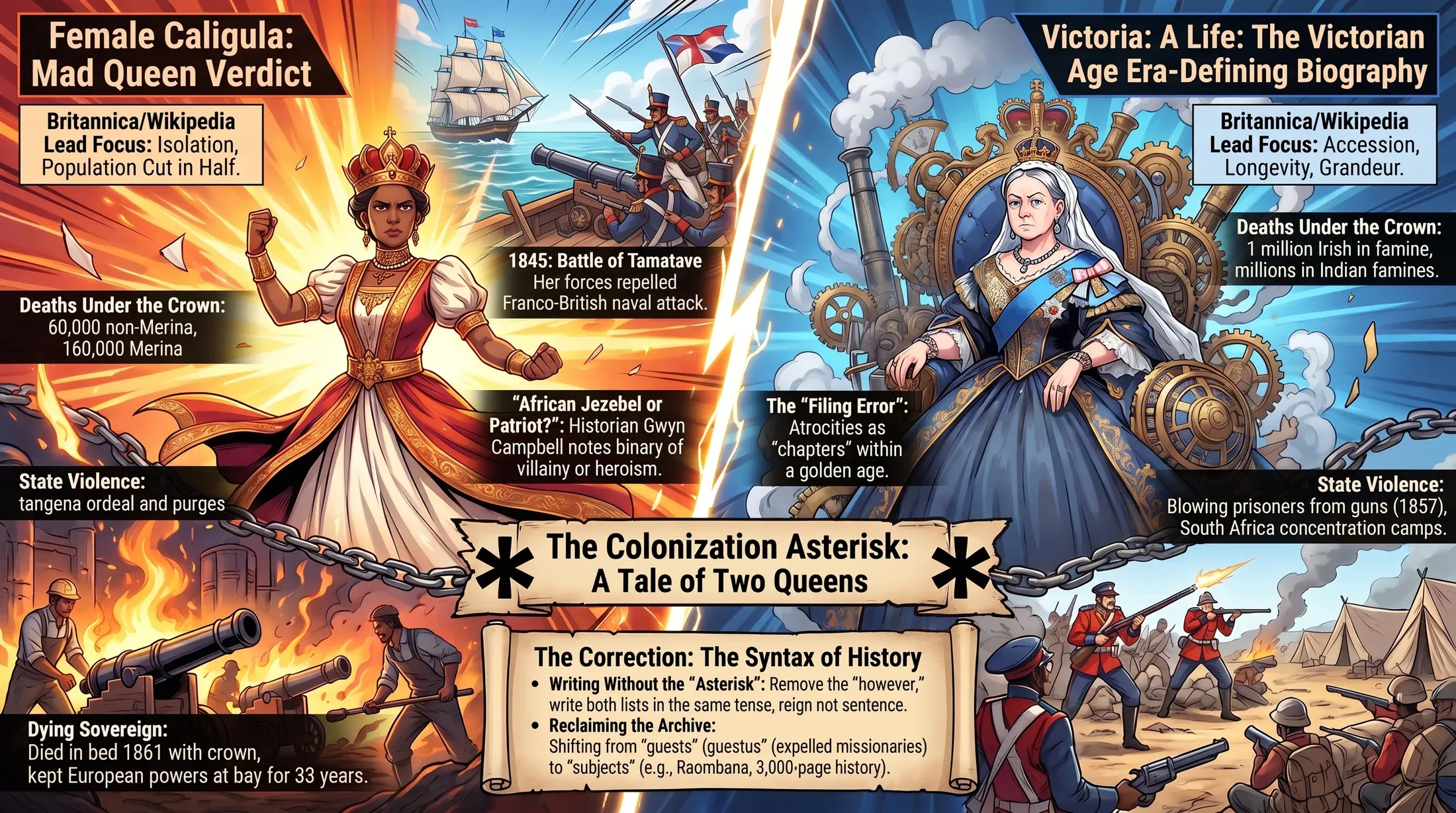
Malagasy envoys reached London in 1837 to end an alliance, and the Foreign Office answered by setting their queen’s conduct against the heir to the British throne. Two centuries on, the encyclopedias still file the two reigns in different grammar.
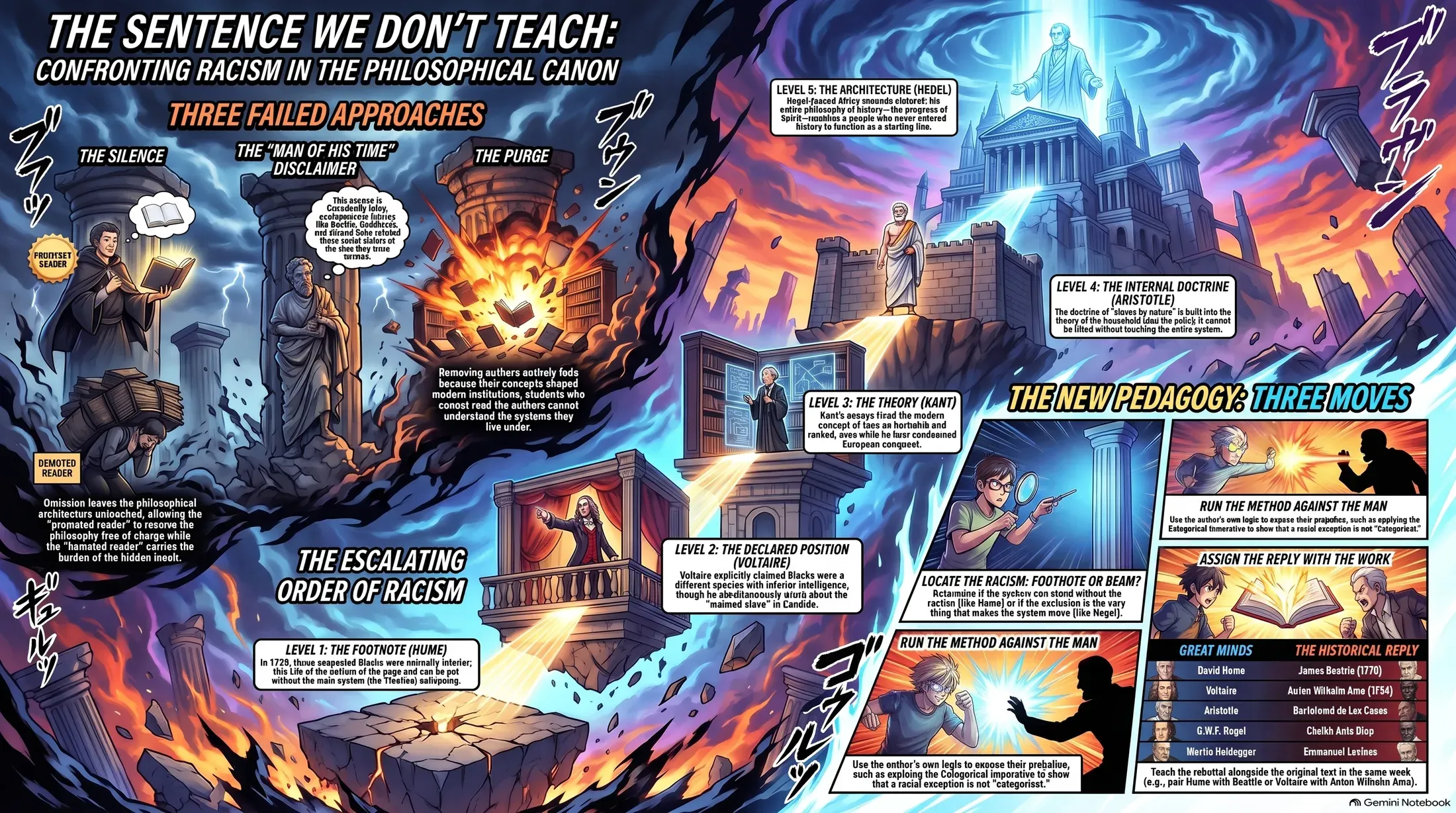
In Lagos, Lyon, and Lahore the syllabus carries the same five great names, and somewhere years past the seminar the student finds what it left out: the sentence where the great mind ranked him. The racism has an address, footnote or foundation, and the reply to it is older than the excuse.
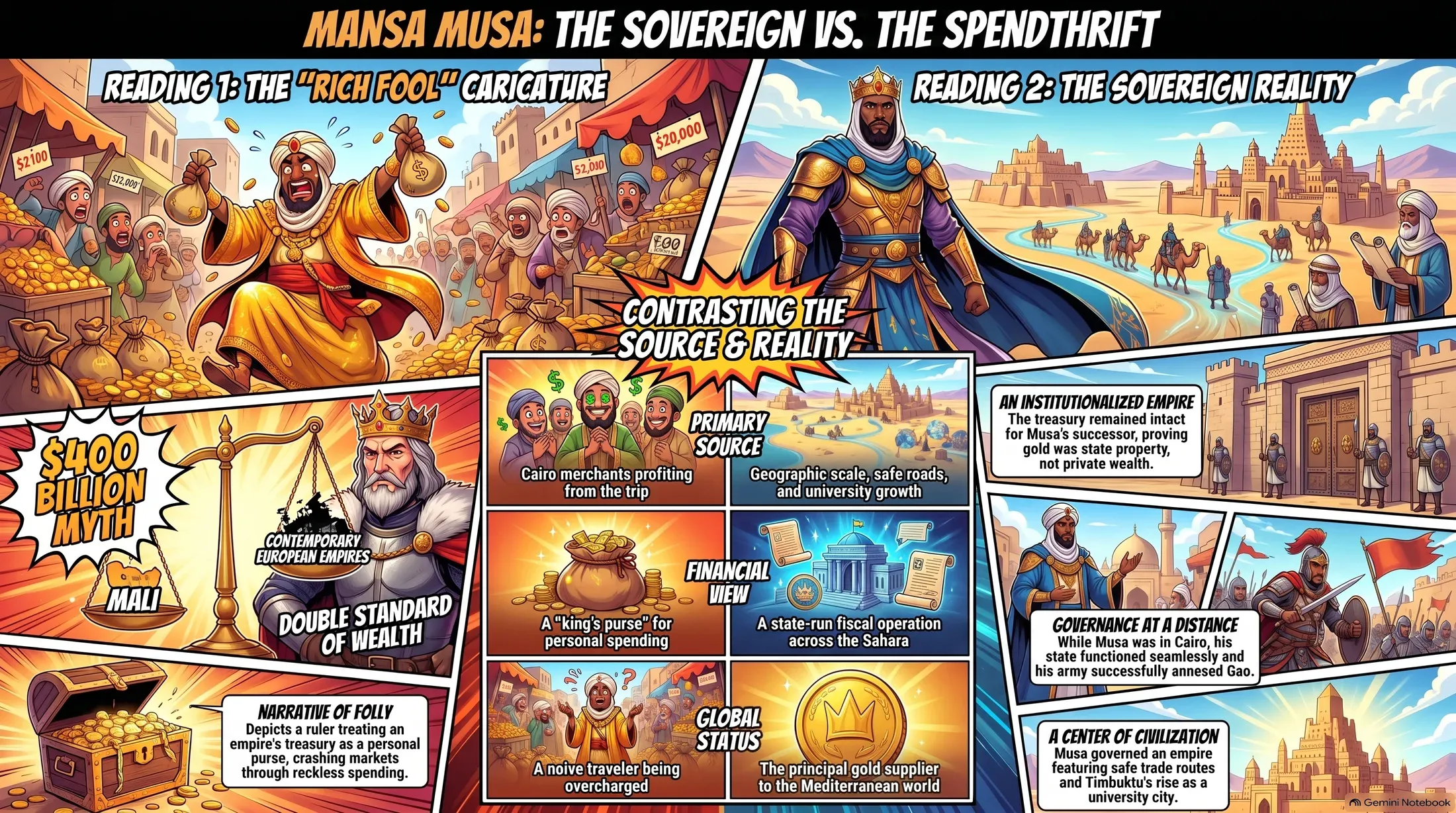
The rich fool who threw away a treasury in Cairo and came home owing money: that biography was filed by the merchants who profited from the visit and fixed the rates on the loans. The rest of the record shows a treasury that survived succession and an army that annexed Gao while its king was away. The $400 billion prices an empire, not a man.
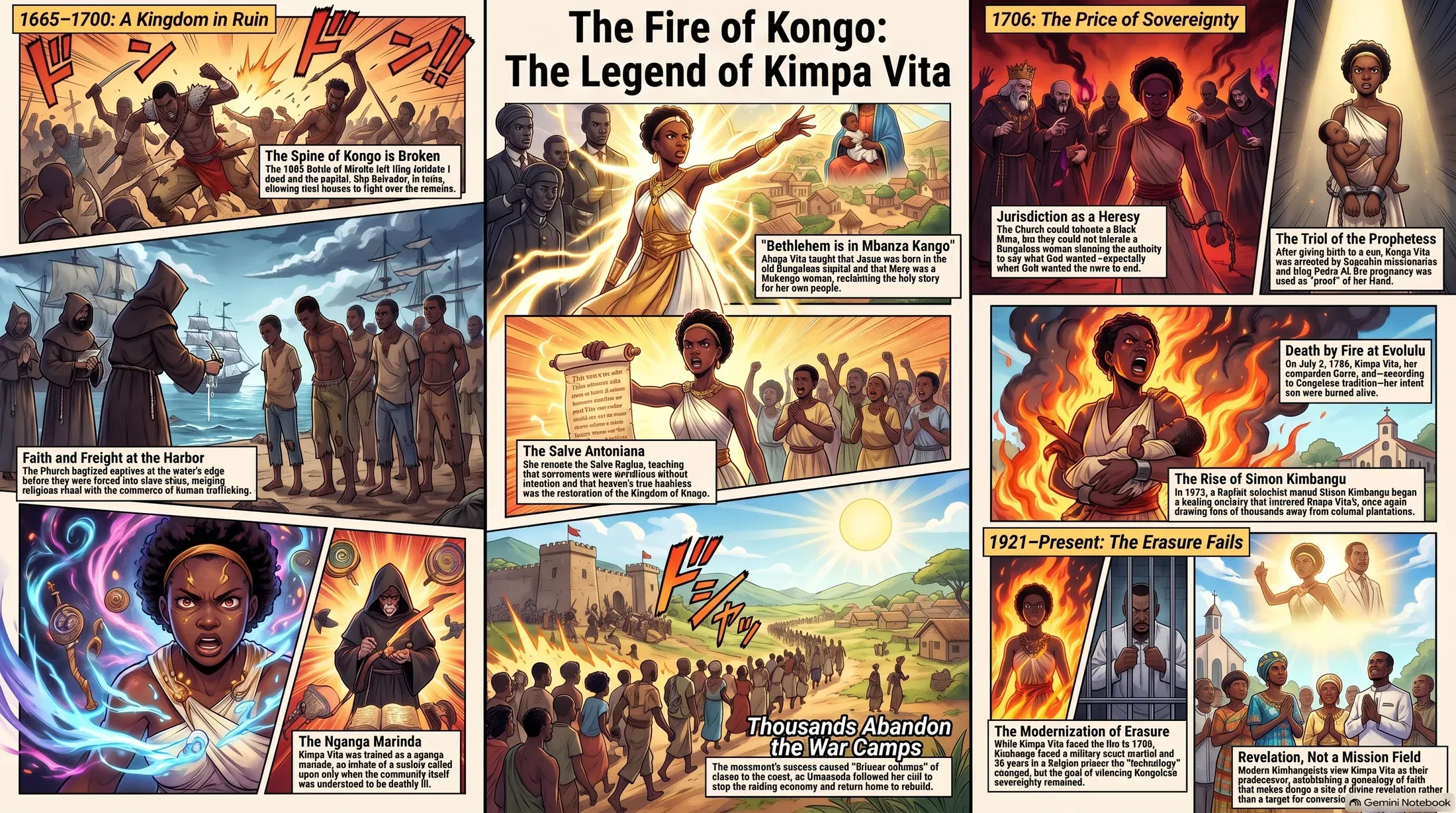
In 1706 a twenty-year-old prophetess was burned as a witch for teaching that Jesus was born in Kongo and that God wanted the slave wars ended. Everything we know of her survives in the handwriting of the men who pressed for the fire.
On rankings, proxies, and the politics of measurement.
Denmark’s tax office wants a signed instrument for a loan between parent and child; Nigeria’s credit circles run for years on no paper at all. One country tops the global trust rankings and the other sits near the bottom, because the instrument was built to recognize only one of them. What if the problem is not the index but who gets to build it?
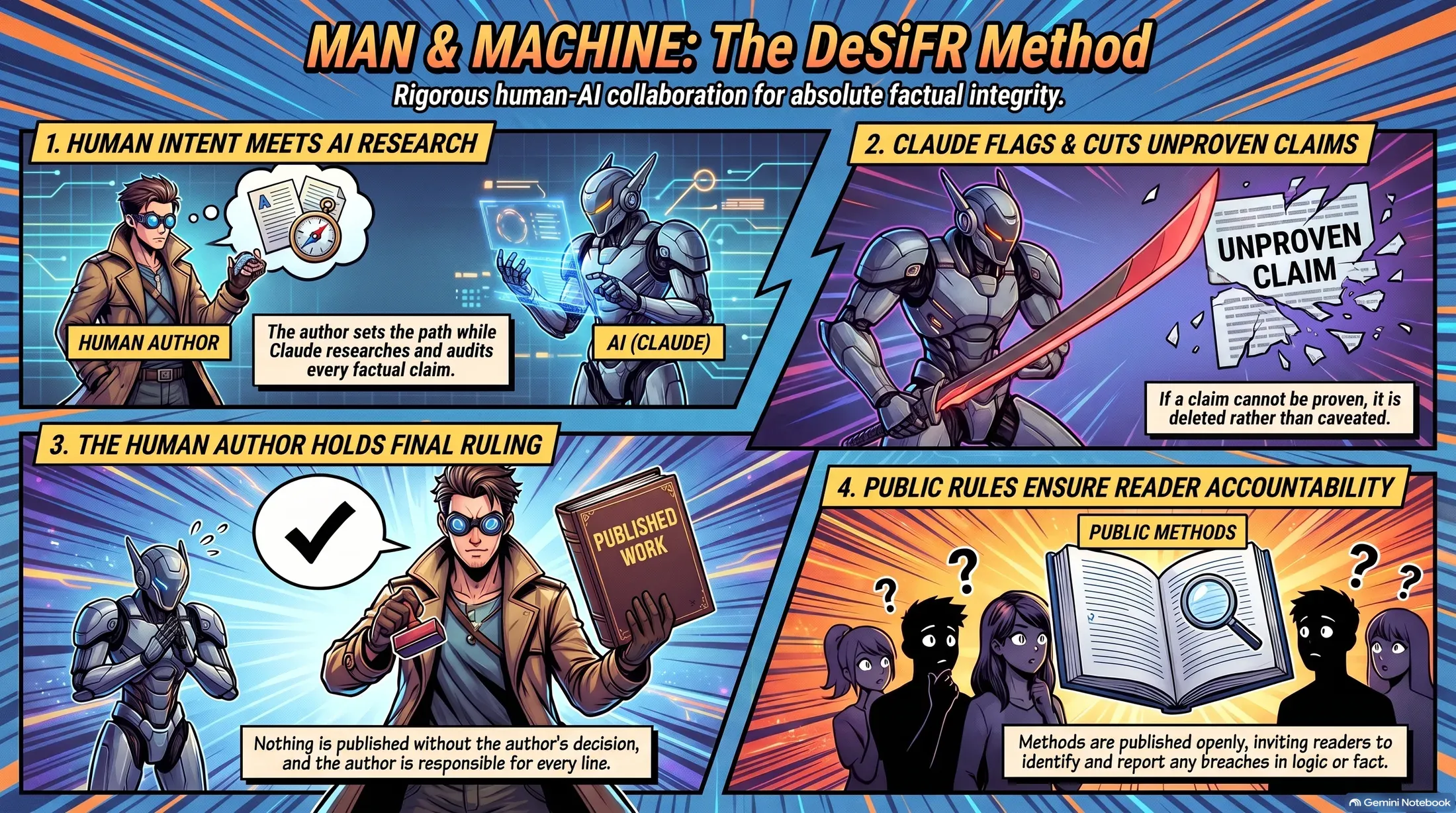
Every DE-0 essay begins with the author: a draft, a thesis, or a discussion that sets the path. A first draft can come from either side; the direction cannot. From there the work is a full collaboration with Claude…
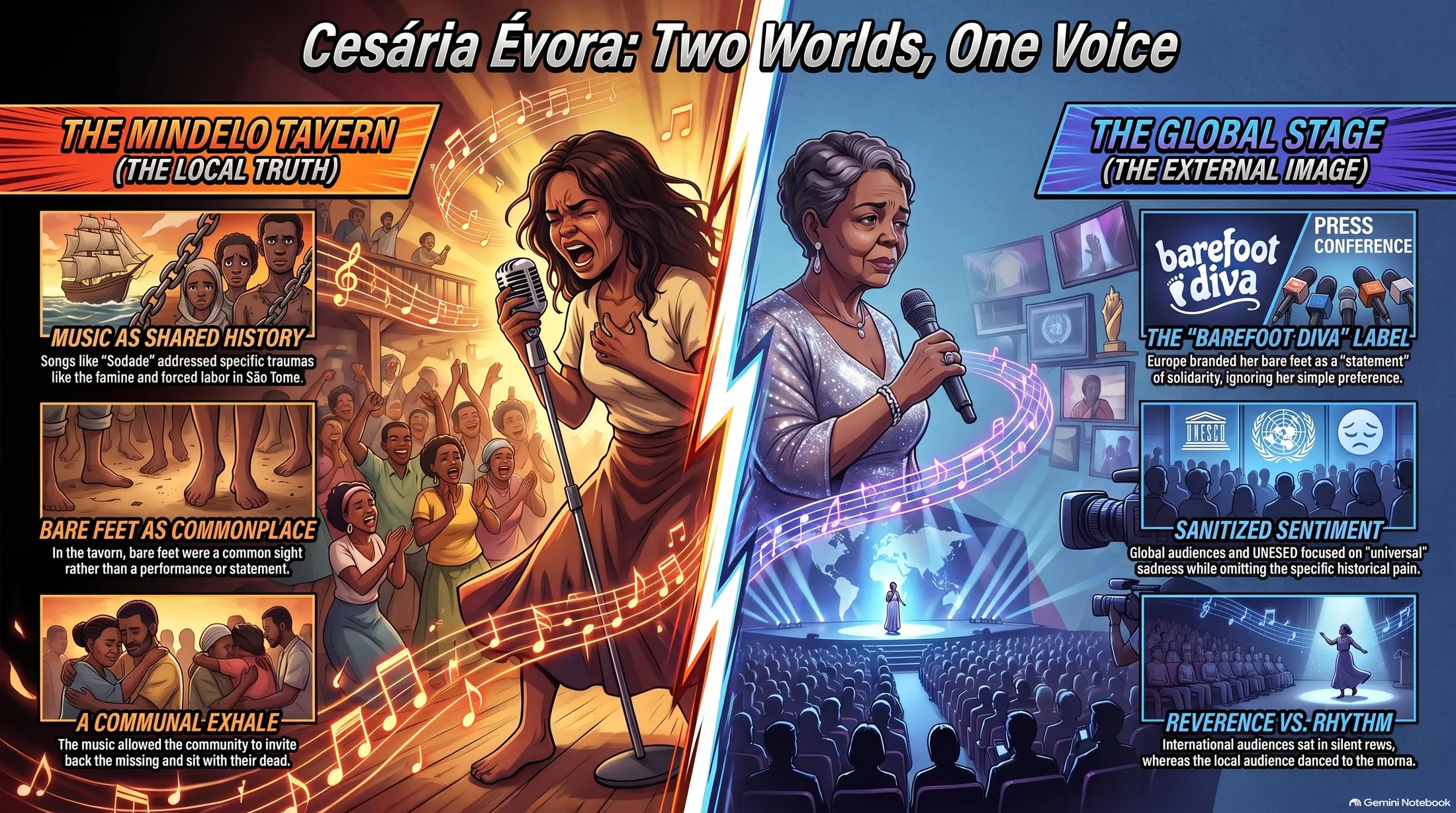
A dockworker’s evening in a Mindelo tavern, where bare feet were as unremarkable as the chairs and “Sodade” needed no footnote. Europe could not hear the Kriolu, so it fastened on what it could see, and printed an adjective she never asked for.
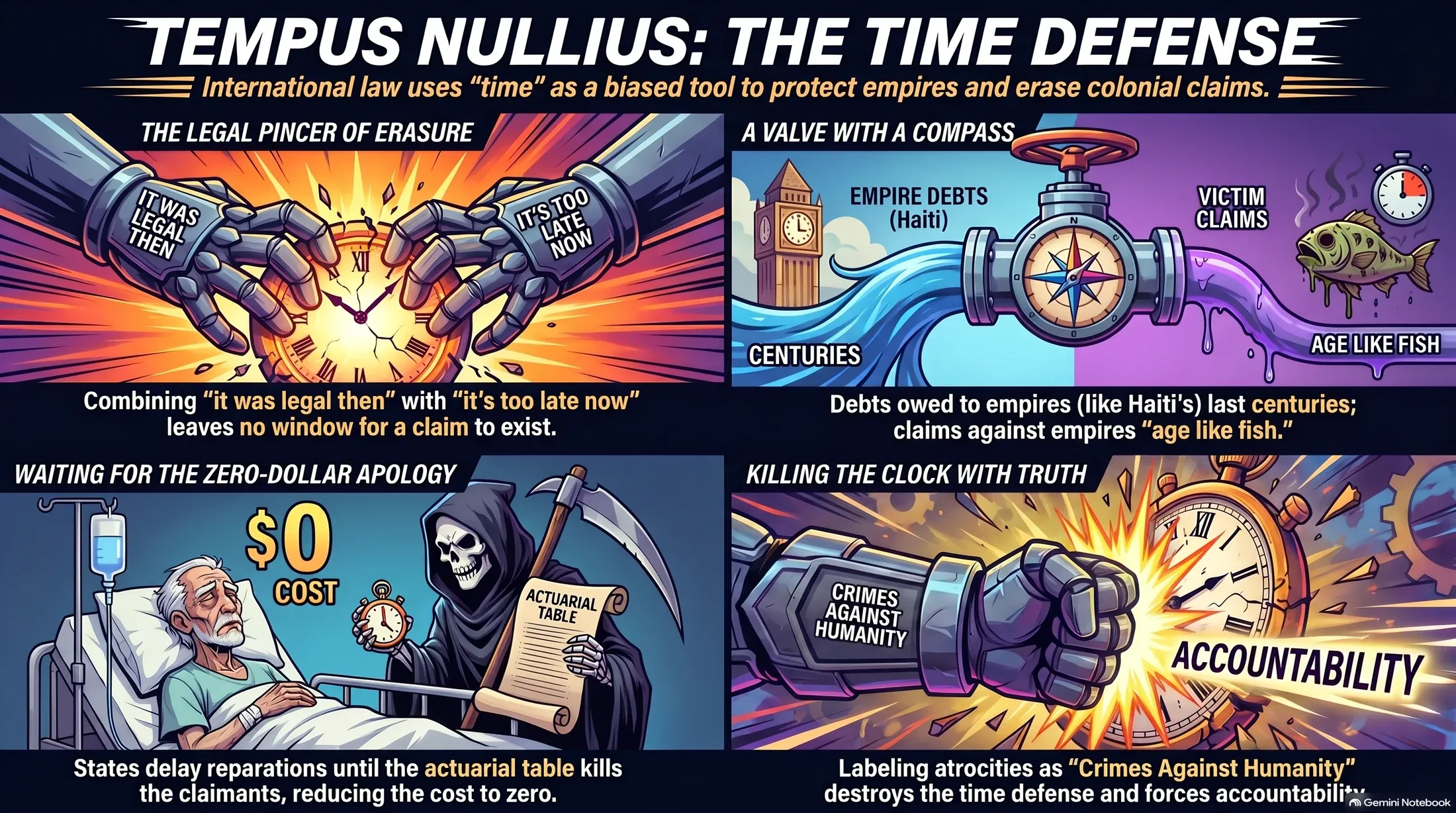
Haiti paid France for its own freedom until 1947. Britain finished compensating slave owners in 2015. Germany retired its Versailles bonds in 2010. No court called those debts too old. Claims running the other way are always too late.
An inquest into a presumption that outlived race science.
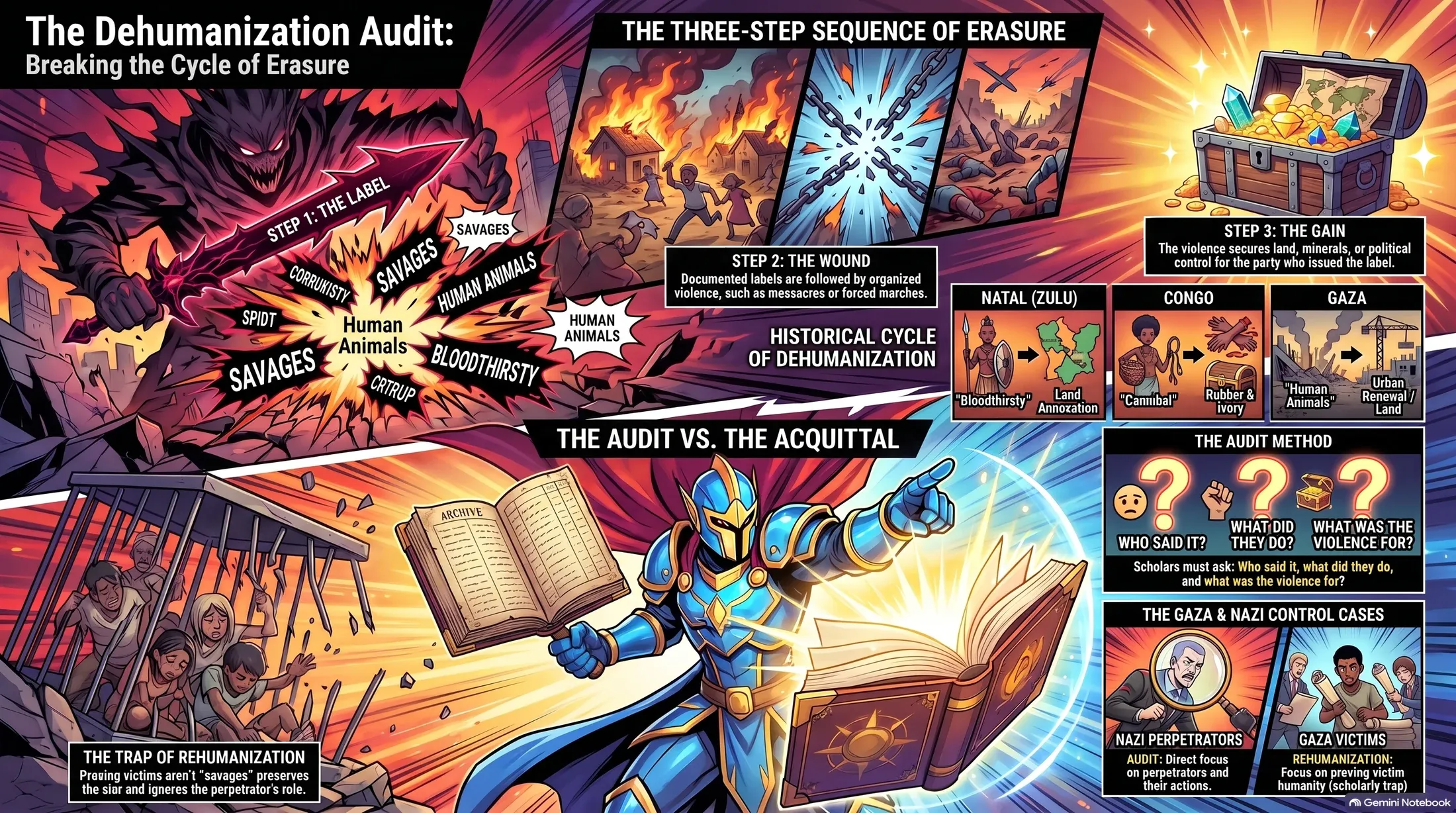
Every land grab opens with a word: the people on the land are declared less than people. Scholarship spent the next century testing the word, with the victim in the dock and the accuser writing the questions. The other method was always available: name the speaker, date the wound that followed, and ask what the violence was for.
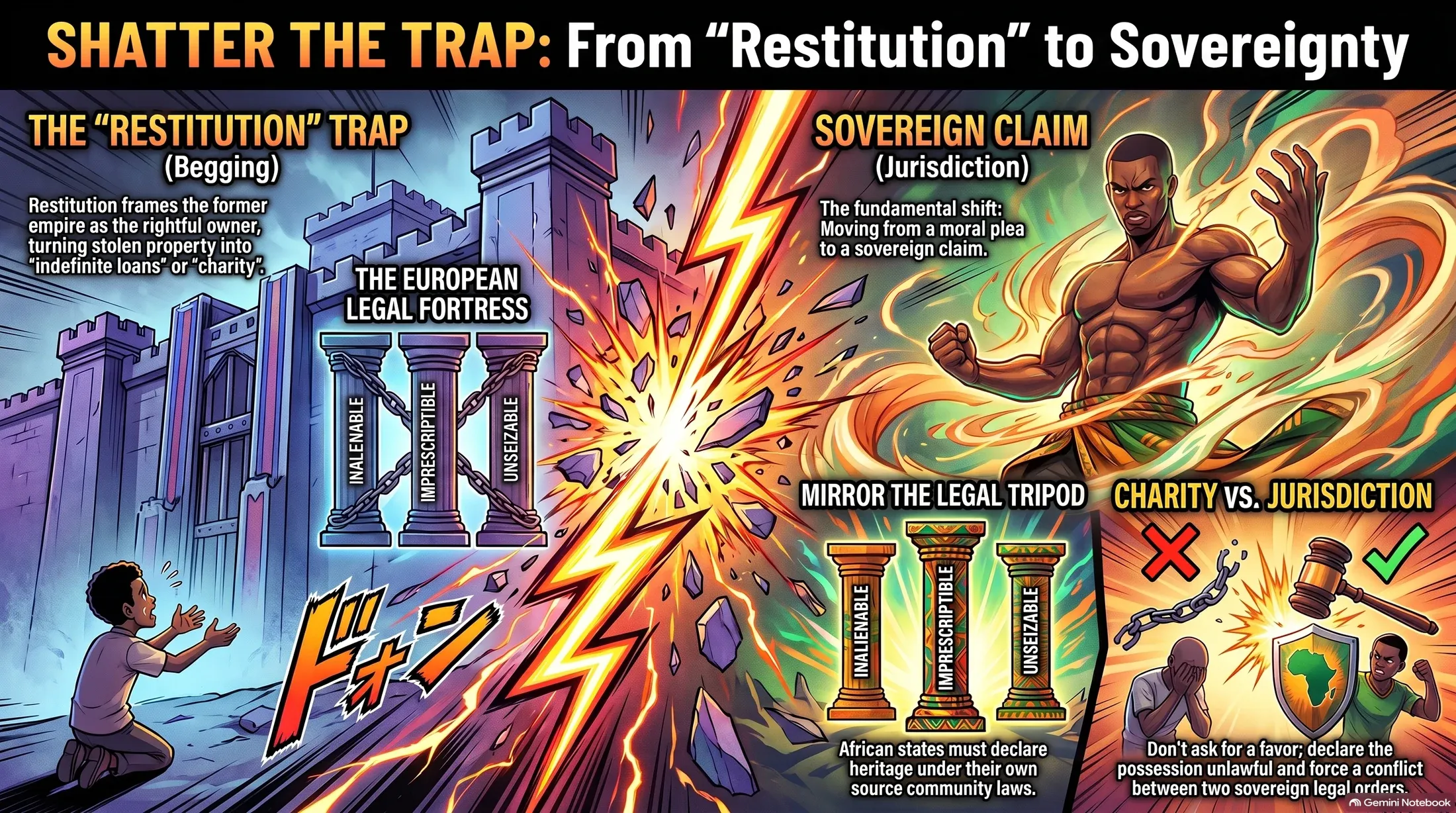
In 2022 Belgium handed the Kakuungu mask back to Congo as an indefinite loan, because its own law forbids giving anything away. The same three principles that keep it in Brussels are available to any African statute book willing to claim them. Stop asking; declare.
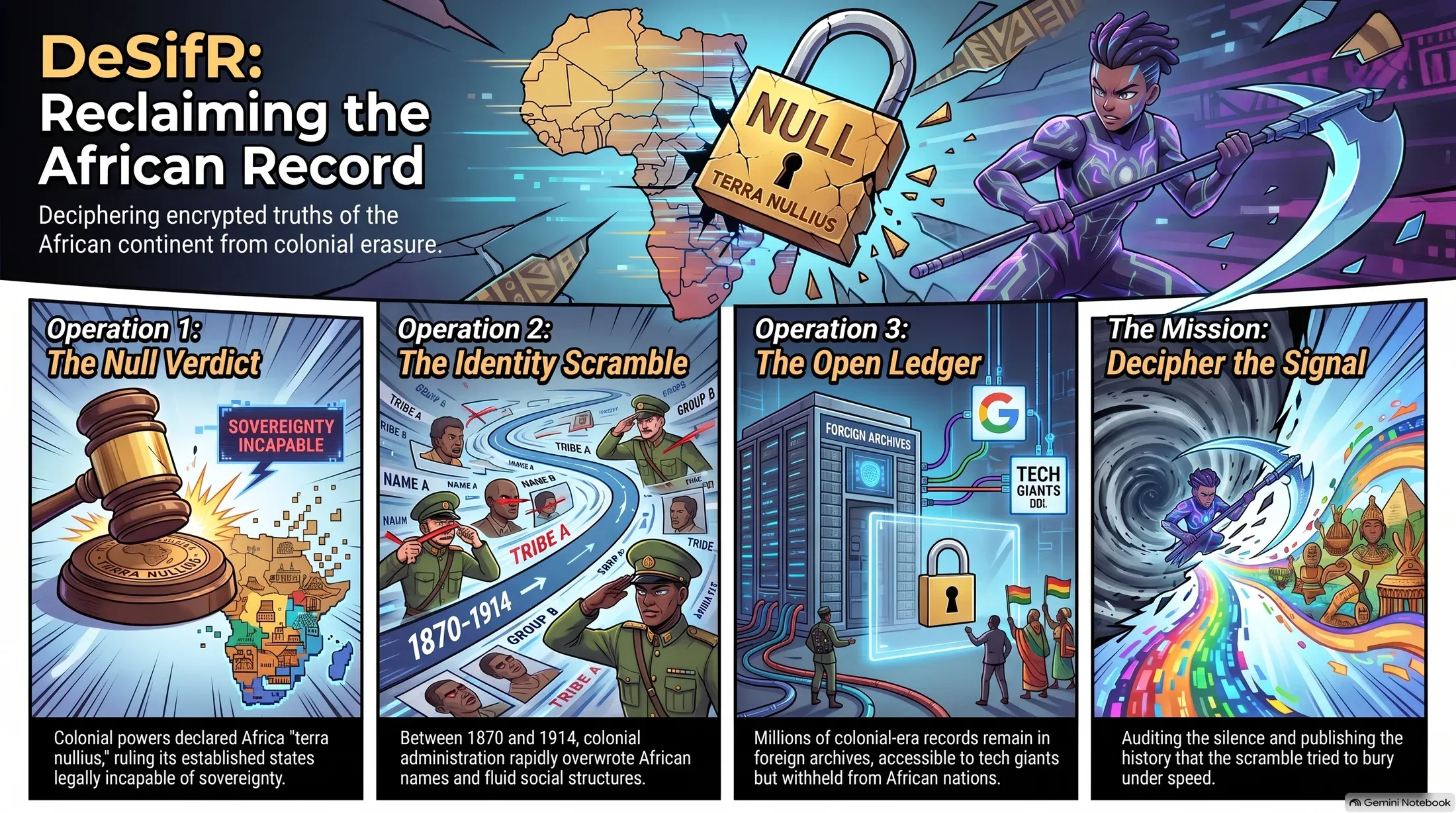
/de'sif'R/: decipher the code, de-null the verdict, descramble the signal.
Sifr is Arabic for zero, and the root of cipher. One word, two European inheritances, and three operations this publication runs against what that word did to Africa’s record. Two to four essays a month, free to read.
·7 min read
DE-0 uses Google Analytics to count readers. It stores a cookie on your device. Nothing is shared with advertisers, and the site works identically either way.